
Capital: Bratislava … 5,400,000 People … 49,035 km² 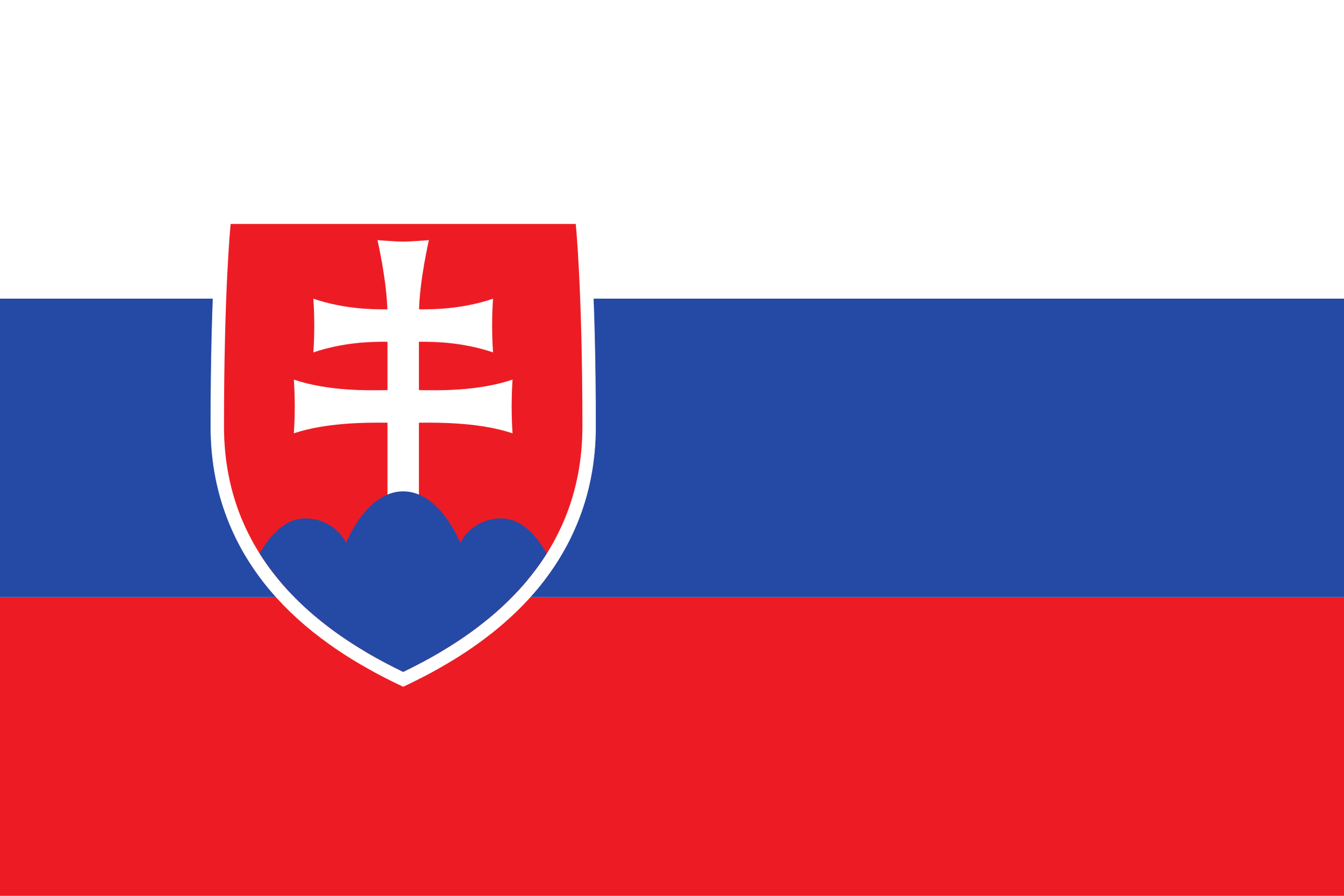
The Country
Slovakia is a landlocked country in the heart of Central Europe. Known for its dramatic mountain landscapes, medieval castles, and deep folk traditions, it blends natural beauty with a strong sense of history. While modern life moves steadily in the capital city of Bratislava, Slovakia holds tightly to its heritage, offering a distinctive mix of old-world charm and contemporary European life at the crossroads of East and West.
Fun Facts
Bratislava is the only capital city in the world that borders two countries.
Slovakia is one of the greenest in Europe, with nearly half of its land covered by forests.
Slovakia became an independent country in 1993, following the peaceful split of Czechoslovakia known as the “Velvet Divorce.”
My Experience
Day 1
Arriving by Boat from Vienna, my friends and I docked on the banks of the Danube River into Bratislava, the capital city of Slovakia. With only 5 hours before our train to Budapest, we had to make every second count. The timer had begun.
After stashing our bags in a self-service luggage locker, we headed straight into town and eventually found ourselves at Hviezdoslav Square. The streets felt different from other European cities we’d visited: calm, almost sleepy, with just a handful of tourists wandering around. There was a sense of quiet charm to the city, a subtle contrast to the bustling squares and grand avenues of Vienna. Cobblestones, pastel façades, and historic details gave the impression that Bratislava had preserved a more intimate, lived-in character.
From the square, we wandered into Bratislava’s Old Town, a compact maze of cobblestone streets lined with soft-colored buildings, cozy cafés and small boutique shops. The atmosphere was relaxed, almost storybook-like. Along the way, we stopped at Bratislava’s oldest shop, a tiny storefront that has been selling local goods for centuries, a living reminder of the city’s mercantile past.
Continuing our walk, we approached Michael’s Gate, the only remaining medieval gate of the city’s original fortifications. Built in the 14th century and topped with a Baroque tower in the 18th century, it once served as a defensive entry point into the city. The gate is adorned with the statue of St. Michael slaying a dragon.
From St. Michael’s Gate, we began the steep climb up to Bratislava Castle, a short but winding walk that winds through historic buildings and quiet streets.
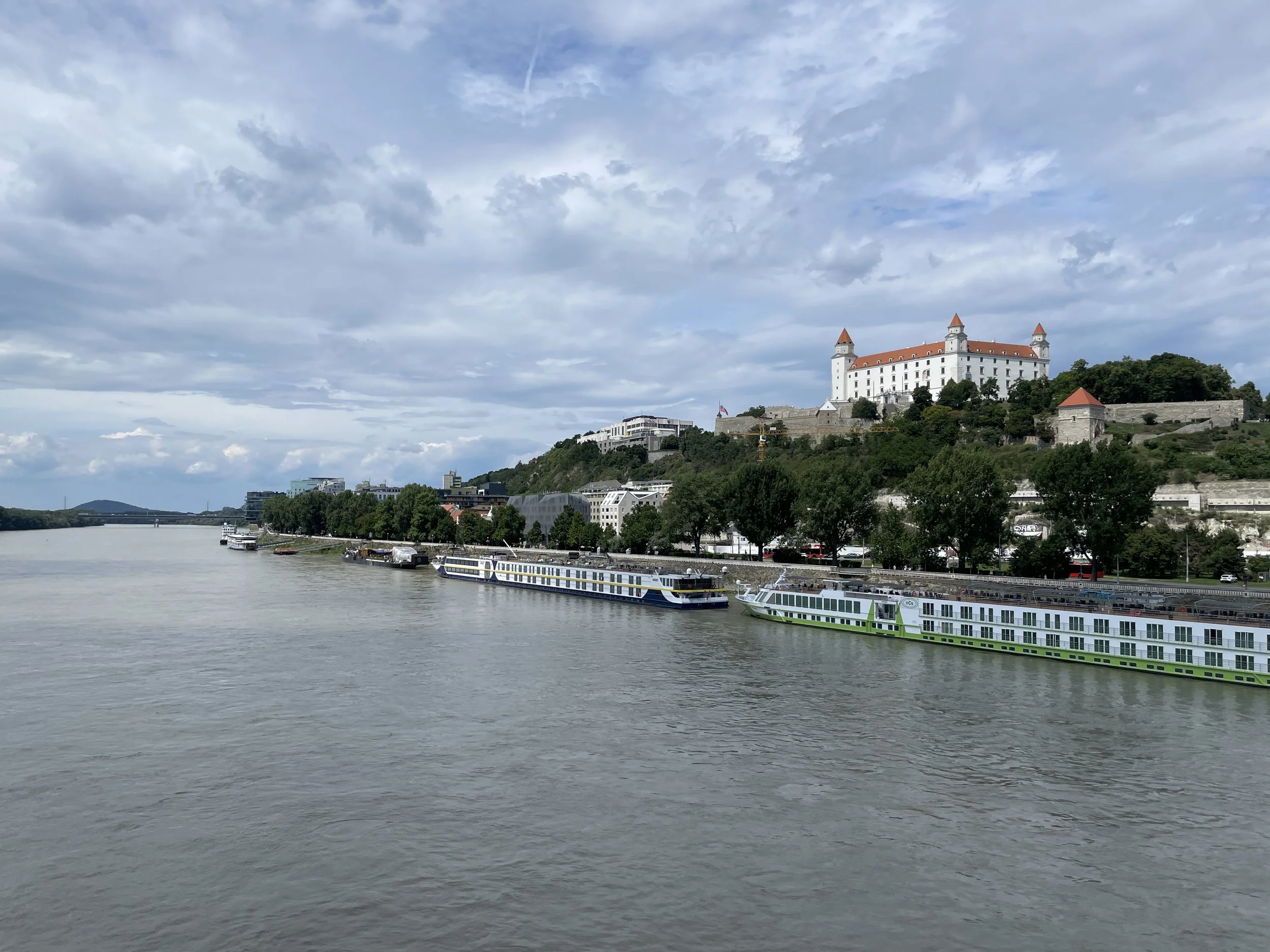
Bratislava Castle itself sits on a hill overlooking the Danube and has been a dominant feature of the city since at least the 9th century, though the current structure was largely rebuilt in the 15th–18th centuries.
Reaching the top, the views are spectacular: the Danube winds past the city, red-roofed buildings stretch across the old town, and you can even spot modern Bratislava rising on the outskirts. Across the river, the futuristic UFO Observation Tower on the SNP Bridge juts into the skyline, a dramatic contrast to the castle’s medieval presence. We knew where we had to go next.
Walking back down the hill, we paused for a quick snack of Slovakian charcuterie, sampling local meats, cheeses and a cold beer. We were about halfway down the hillside, tucked into a quiet spot among the trees. The forested slope provided a peaceful contrast to the city below, and for a moment, we were completely alone. Just the rustle of leaves, the distant hum of Bratislava below and our little picnic. It felt like a private pause in the middle of a busy day, a chance to savor both the flavors and the calm of the surroundings.
After our hillside break, we made our way back toward the Danube, crossing the river via the Most SNP (Bridge of the Slovak National Uprising). The real highlight of the bridge is the UFO Observation Tower perched atop it.
Riding the elevator to the top, we stepped into the observation deck and were immediately rewarded with 360-degree views of Bratislava. From above, the city’s layers became clear: the red-tiled roofs of Old Town, the winding Danube, and the hilltop castle, all juxtaposed against the more austere Soviet-era apartment blocks and office buildings that stretch across the newer parts of the city. The contrast was striking. Bratislava is a city where centuries of medieval, imperial, and modernist planning coexist in a single panorama. We stayed up there for quite some time, taking in the view.
After a bit of time shopping and enjoying gelato back in Old Town, we gathered our bags and headed towards the train station. For such a fast-paced day, we still had our relaxing moments. And we would have had even more time if we knew our train would be delayed by over an hour. Oh well.
In my opinion, Bratislava’s charm lies in its old-world feel. Cobblestone streets, pastel façades, and medieval gates that make it feel intimate and timeless. At the same time, its history is quietly rich, from the Habsburg-era castle and centuries-old shops to reminders of more recent periods like the Soviet-era architecture. Unlike the larger, busier capitals of Europe, Bratislava feels like a place where you can wander at your own pace, stumble across layers of history, and enjoy it all without feeling rushed. In just a few hours, it offered a perfect mix of culture, views and atmosphere. For such a quick stop, it’s a stop im really glad we added. It left a lasting impression.
More Photos of Slovakia